The Texas BBQ Guide
Master the art of Texas BBQ. From fire management to the perfect brisket, learn the techniques that make Central Texas famous.
Mastering Your Fire
The foundation of great BBQ is a clean-burning fire. Here's how to get it right with post oak.
Start with a Clean Fire
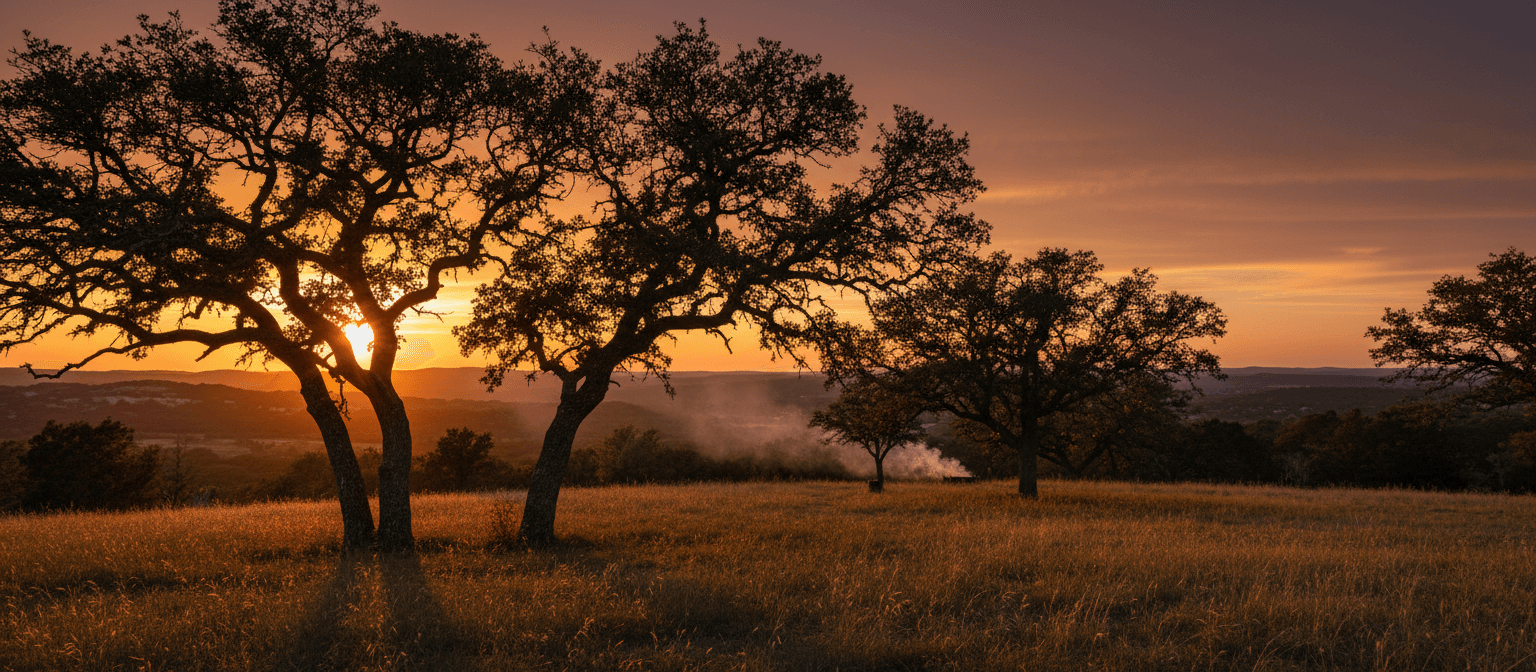
Build your fire using a chimney starter with charcoal as a base. Once the coals are ashed over, add your first post oak splits. Let them catch and burn cleanly before adding meat.
Timing Your Splits
Add fresh splits every 45-60 minutes to maintain temperature. Don't smother the fire—one or two splits at a time is enough. Let each addition fully ignite before adding more.
Temperature Control
For brisket, maintain 225-275°F. Use your intake and exhaust vents to control airflow. More air means hotter fire. Close vents slightly to reduce temperature.
Watch Your Smoke
Thin, blue smoke is the goal. Thick white smoke means your fire is smothering or the wood is too green. Our kiln-dried post oak burns clean from the start.
The Bark Test
Good bark should be dark mahogany, almost black, but not burnt. It should have a slight tackiness. This comes from clean-burning post oak and proper fat rendering.
The Perfect Brisket
Follow these steps for competition-worthy brisket every time.
Trim & Season
Trim fat cap to 1/4 inch. Season liberally with coarse salt and pepper (50/50 dalmatian rub is traditional).
Get Your Fire Right
Build a clean-burning post oak fire. Let your smoker stabilize at 250°F for at least 30 minutes before adding meat.
Fat Side Up or Down?
Place brisket fat-side up if heat comes from below, fat-side down if from above. The fat protects the meat.
The Stall
Around 150-170°F internal, the brisket will stall. This can last hours. Don't panic—it's the collagen breaking down.
Wrap (Optional)
At 165-170°F, you can wrap in butcher paper to push through the stall. This protects the bark while adding moisture.
Probe Tender
Brisket is done when a probe slides in like butter, typically 200-205°F internal. Trust the feel, not just the temp.
Rest
Rest at least 1 hour, up to 4 hours in a cooler. This allows juices to redistribute throughout the meat.
Pro Pitmaster Tips
Don't Peek
Every time you open the smoker, you lose heat and extend your cook time. Trust the process and resist the urge to constantly check.
Spritz Sparingly
If you spritz, use apple cider vinegar or beef tallow. But don't overdo it—too much moisture can wash away your bark.
Rest is Key
A proper rest might be the most important step. Wrap in butcher paper, place in a cooler, and let it rest for 1-4 hours.
How Much Wood Do You Need?
A common question from new pitmasters. Here's a general guide based on cook time and smoker size:
Ribs, chicken, pork shoulder
Full packer brisket, large roasts
All-day cooks, multiple racks
Ready to Put This Knowledge to Work?
Get premium Texas post oak delivered to your door and start your next cook.
Shop Post Oak